
About Cibitas
Built from the ground up.
A regenerative solutions company anchored in the dryland ecology and agrarian communities of Vidarbha.
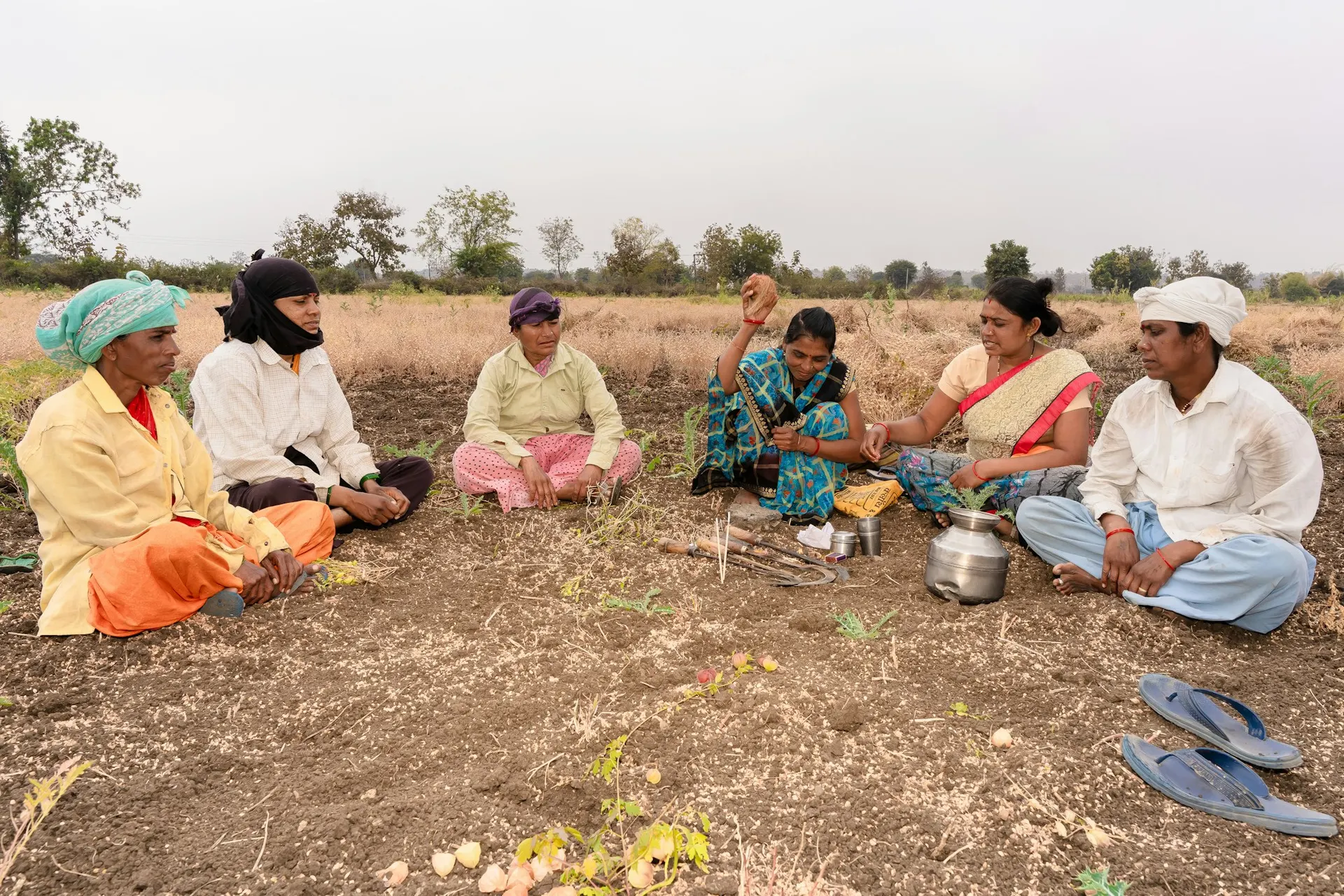
Cibitas was founded on a single conviction: the environmental, agrarian and livelihood crises facing rural India are not separate problems. They are one problem, requiring one integrated response.
The name comes from the Latin word for community — not the physical place, but the people who constitute it. That distinction is our method. We work with communities, not on them. Our role is to bring knowledge, design and resources into relationship with the intelligence already present in the land and the people who steward it.
We operate simultaneously as consultants, implementers and social entrepreneurs. We advise farmer collectives, NGOs and corporate partners. We design and run our own regenerative operations. We generate livelihoods rooted in local ecology. This integrated identity is not accidental — it is how knowledge and action stay connected.
On the name
Cibitas
Latin: civitas · the people who constitute a community
Distinct from urbs, the physical city, civitas names the living body of people in relationship with their place. That is what we are building — not just a company, but a practice of belonging to a particular land.
Values
Integrated by design
We resist the fragmentation of environmental work into silos. Soil, water, food, waste and livelihood are one interconnected system — and we treat them that way.
Place-based and rooted
Vidarbha is not a project location. It is our home ground. Our work is specific to this landscape, its ecology, its seasonal rhythms and its communities.
Community as protagonist
Farmer collectives, women's self-help groups and village communities are not beneficiaries. They are the agents of the change we work to support.
Practice before prescription
We implement what we recommend. Our advisory work is grounded in on-ground operations — not only theory, benchmarks or external frameworks.
Long-term presence
Regenerative systems take seasons to build and years to root. We commit to the long arc, not the quick project.
Why we begin here
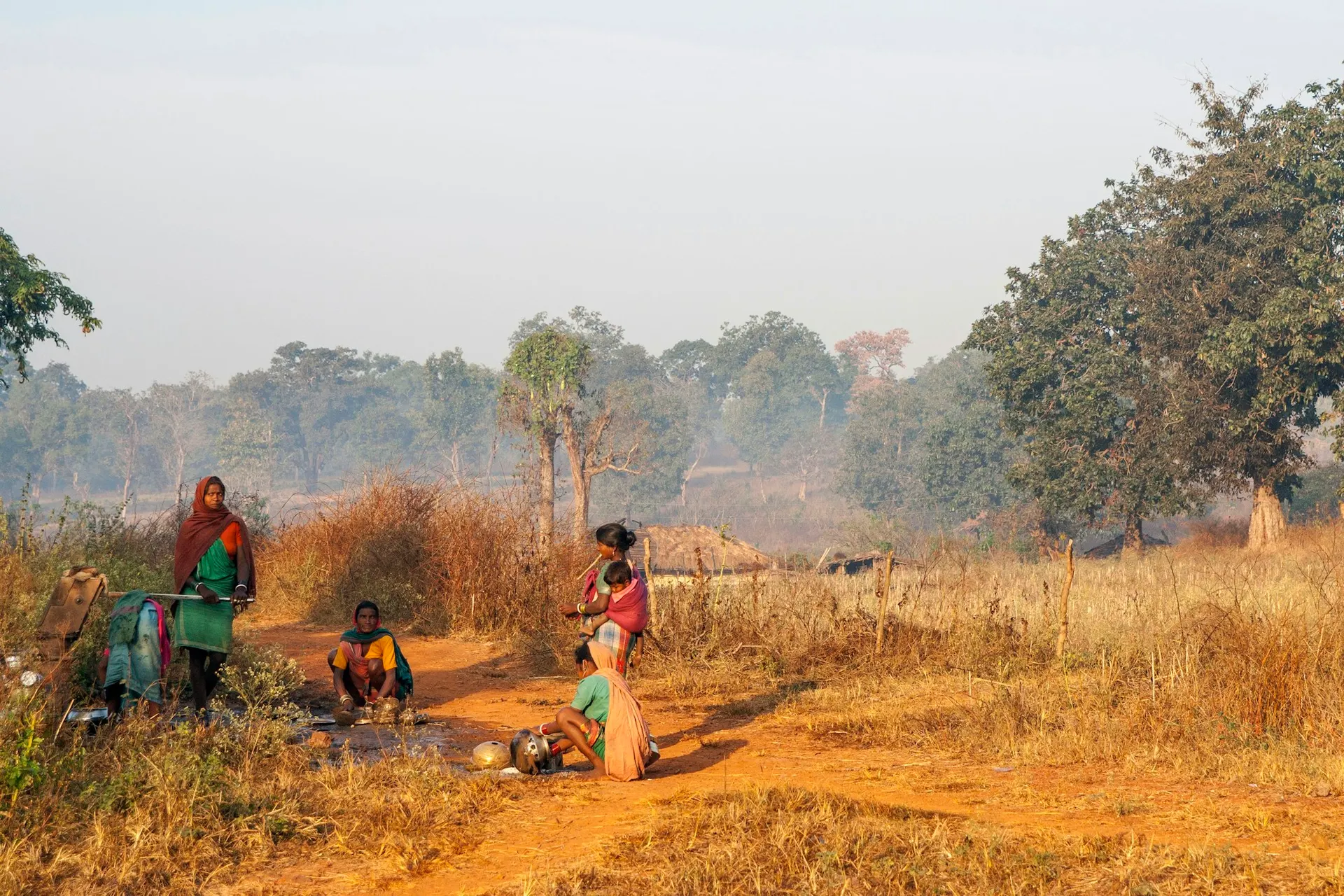
Vidarbha is one of India's most agrarially stressed regions — cotton monocultures, water scarcity, degraded soils, and decades of farmer distress. That is precisely why we start here. If regenerative systems can take root in this landscape, the model has credibility anywhere in dryland India. Vidarbha is not just where the need is greatest. It is where the proof is built.